Cuba 2026
Through My Own Eyes
Scroll
Cuba 2026
Cuba has long been a classic destination for photography trips, a place seemingly frozen in time, with beautiful light, where the great masters have worked.
I travelled to Havana to find what Manuel Almenares photographed in El Monte, what Marcin Kydryński showed and described in Milagro, and to see how Michał Mrozek would photograph it on location.
Yet this same Cuba has, for over sixty years, been struggling to survive as the last communist economy based on ideals that have failed everywhere else in the world.
At the end of 2025, after six decades of smaller and larger crises, Cuba once again became the subject of renewed attention. First, in October, Hurricane Melissa struck the island, and not long after, Donald Trump cut off the crisis-stricken and dysfunctional communist economy from oil supplies.
As a result, overnight in January 2026, long after I had planned my own trip to Havana with pokochajfotografie.pl, Cuba found itself at the centre of global media attention. From that moment on, my photo expedition became not only an opportunity to see El Monte and Milagro in real life, but also a chance to compare press coverage with Cuban reality.
In January, the world press was already writing about total apocalypse.
In February, I heard from a Cuban in Havana that it was only “shortages and power outages, as usual.”
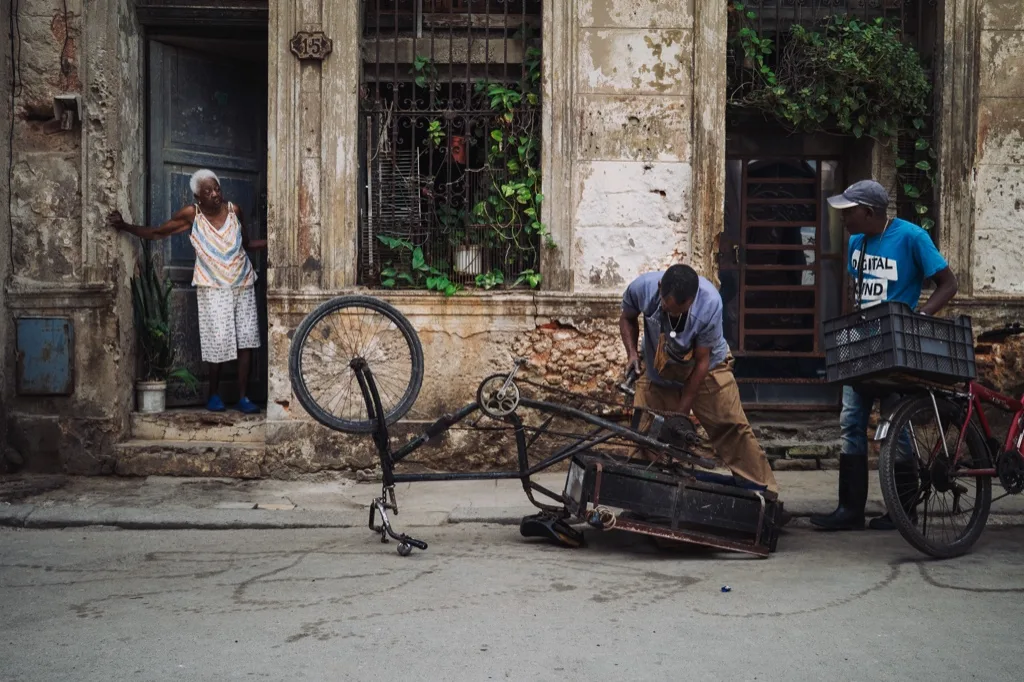
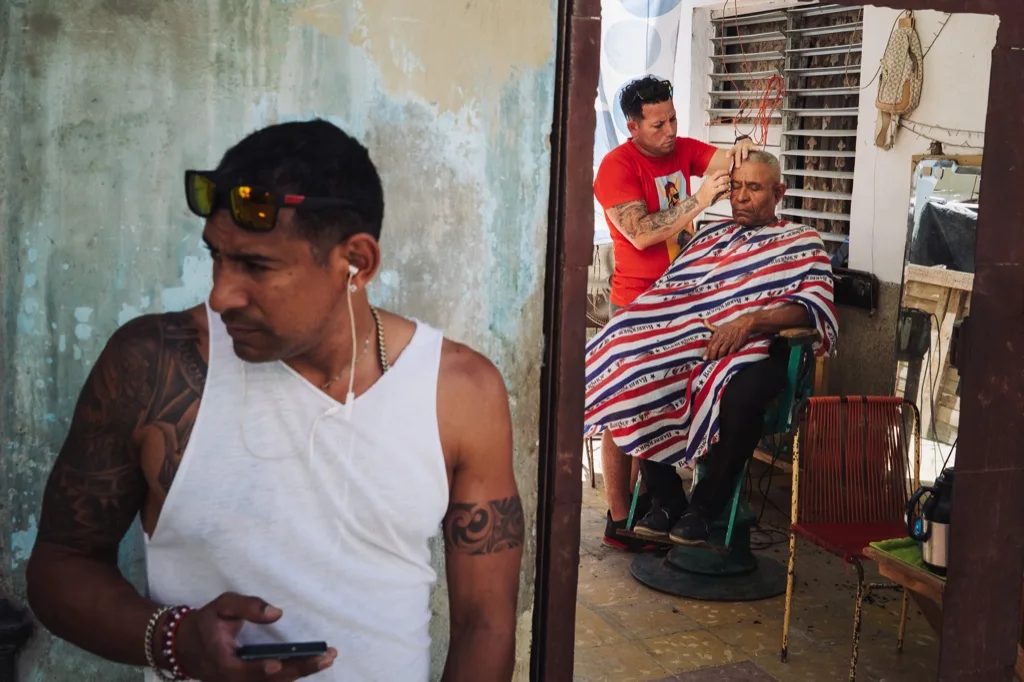
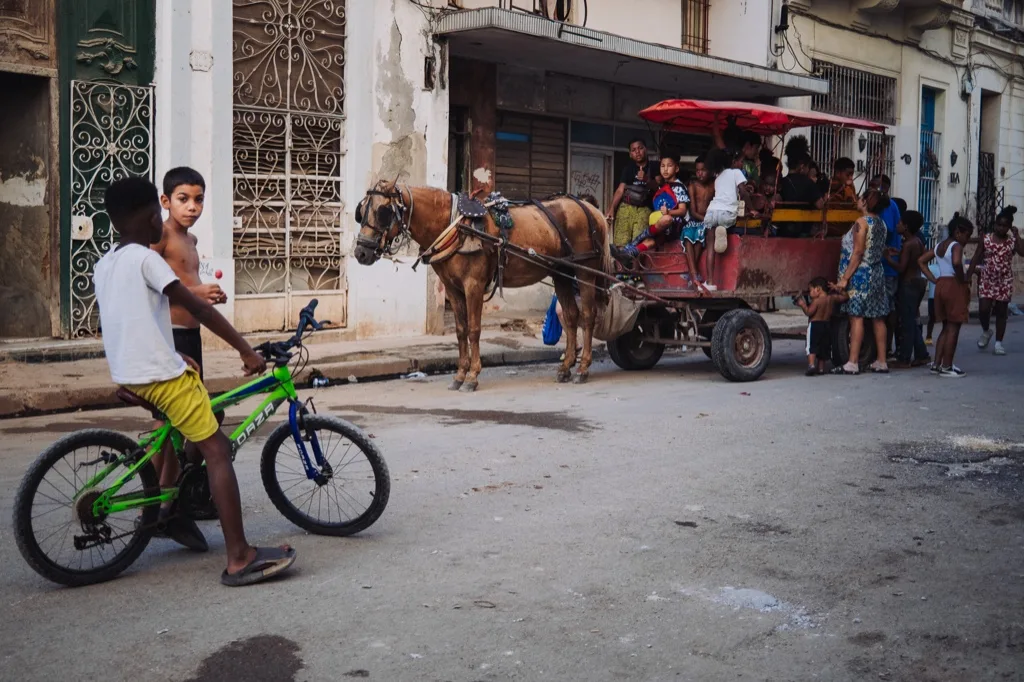
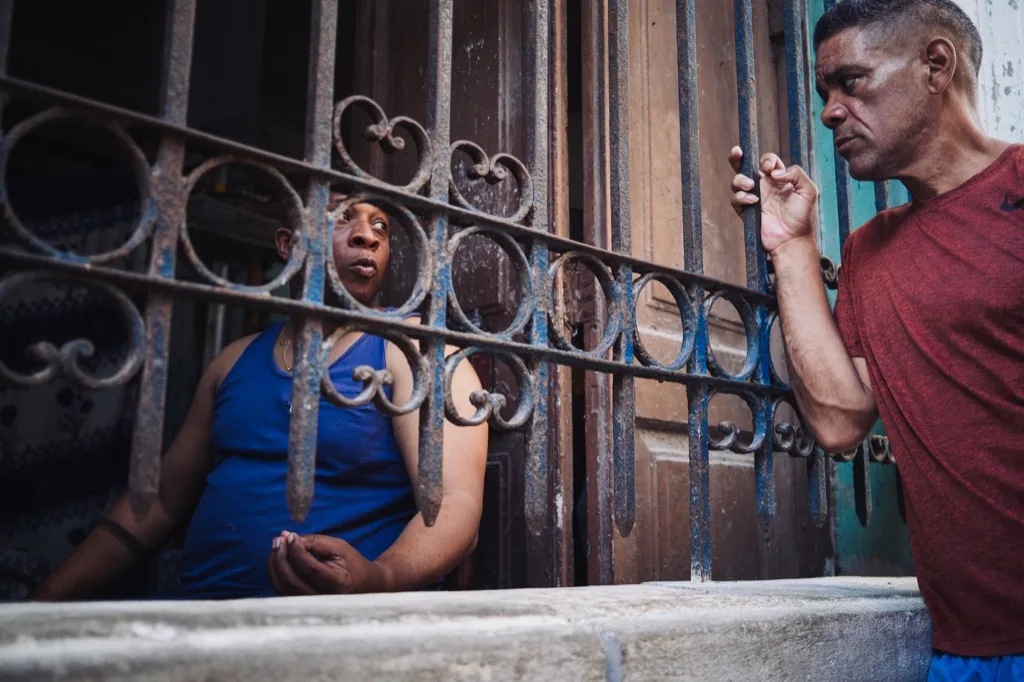
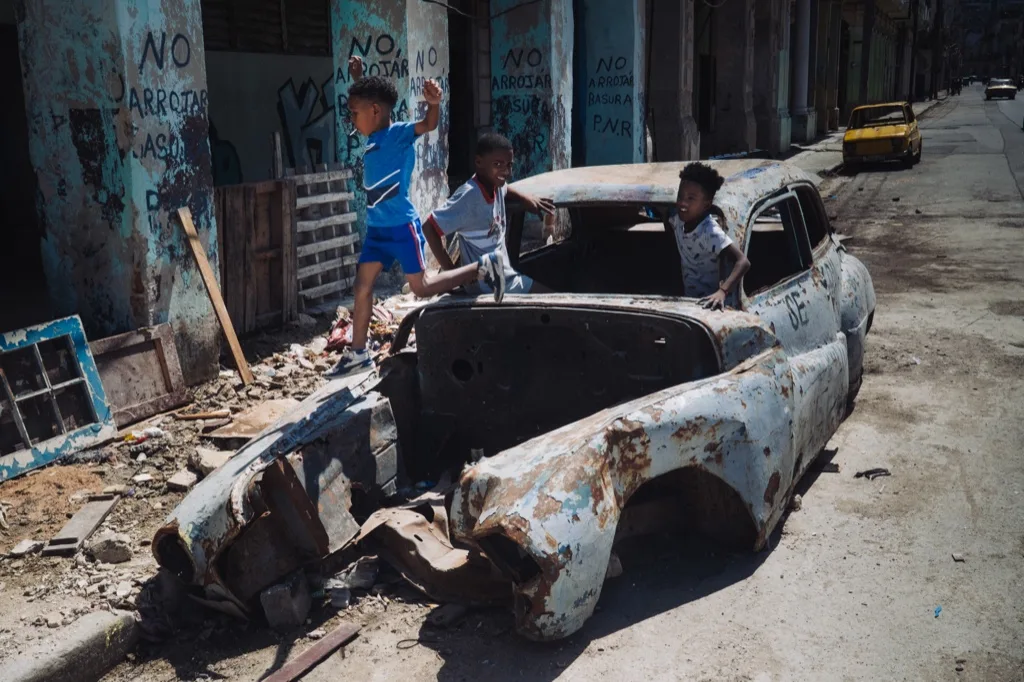
By the largest hospital in Havana, the wreck of a car from my favourite photograph by Almenares in El Monte was still standing.
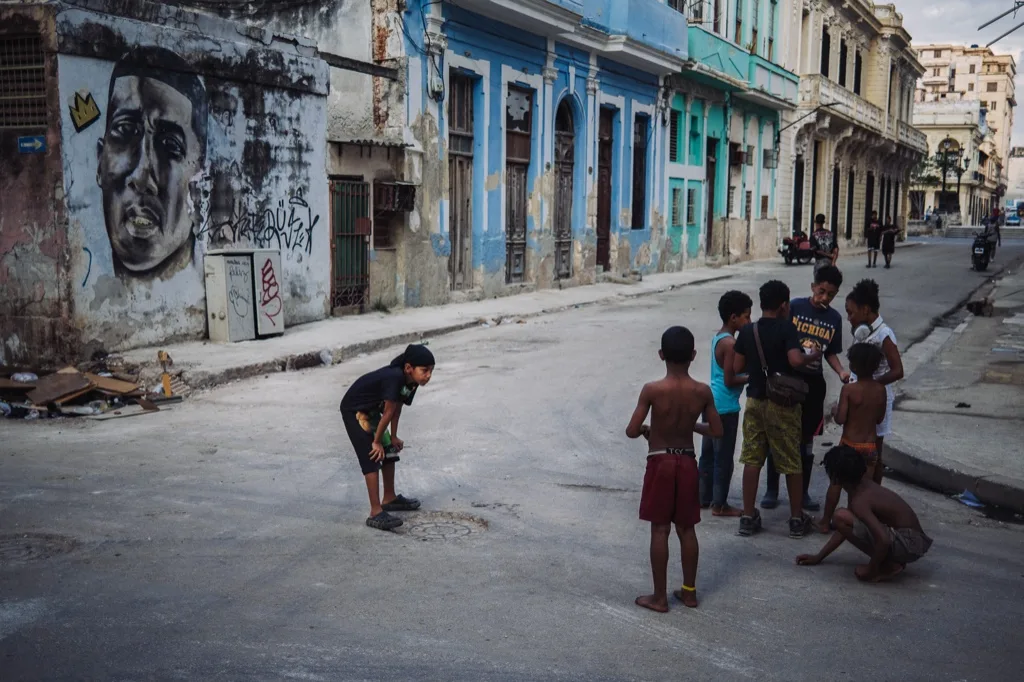
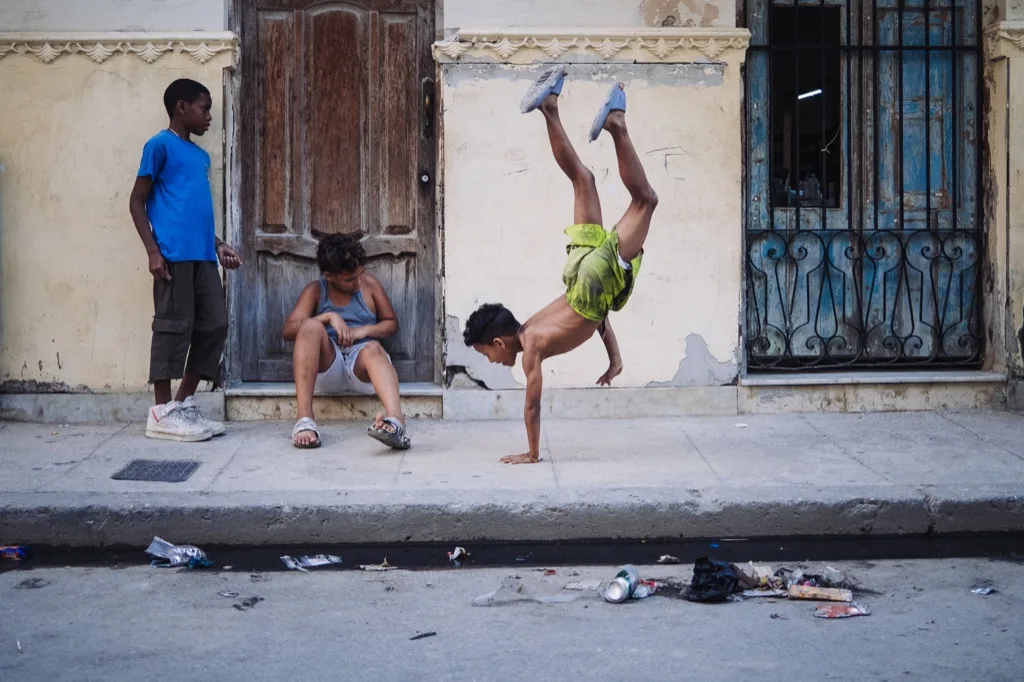
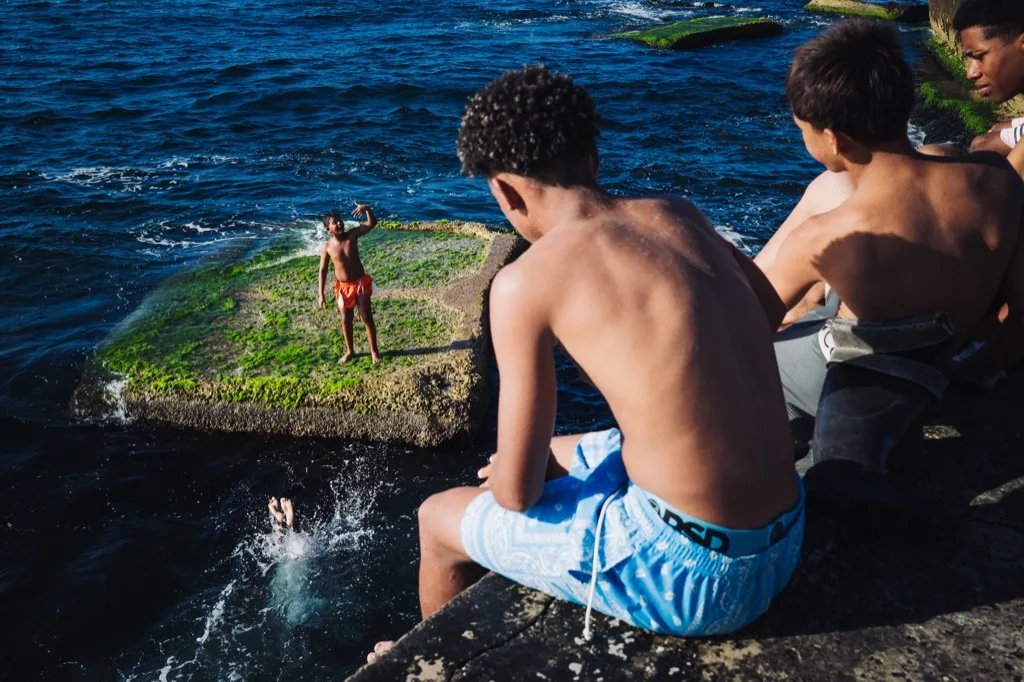
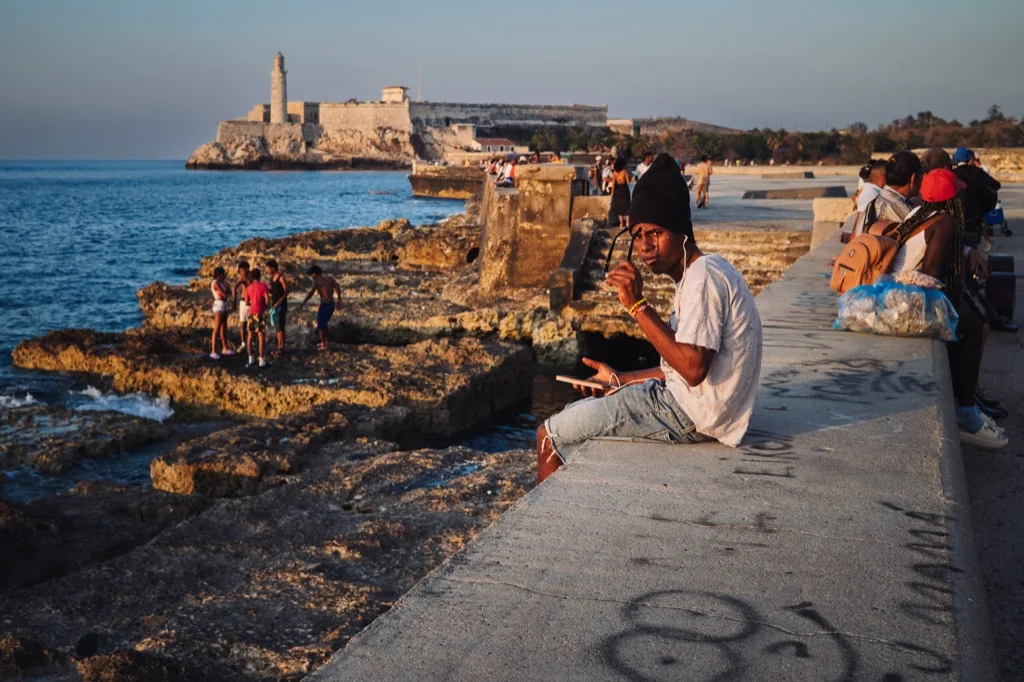
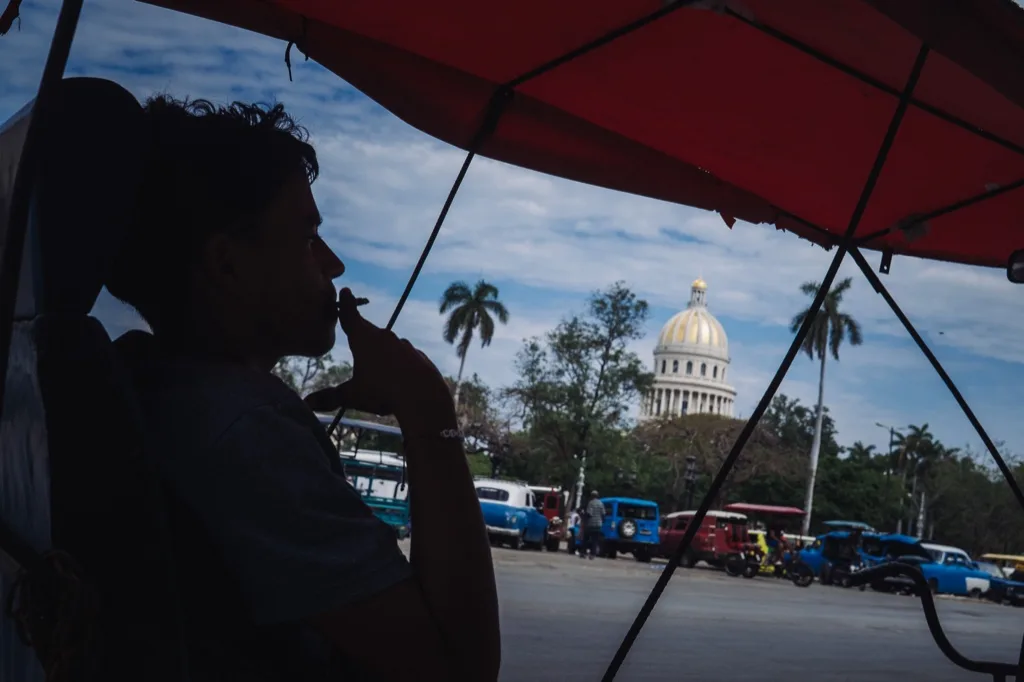
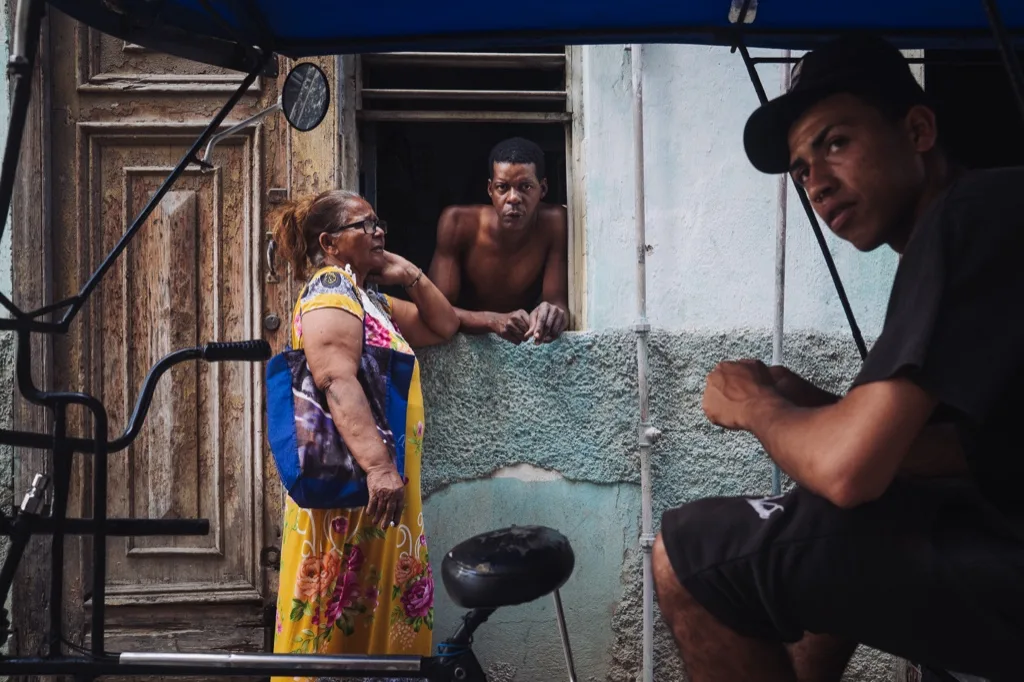
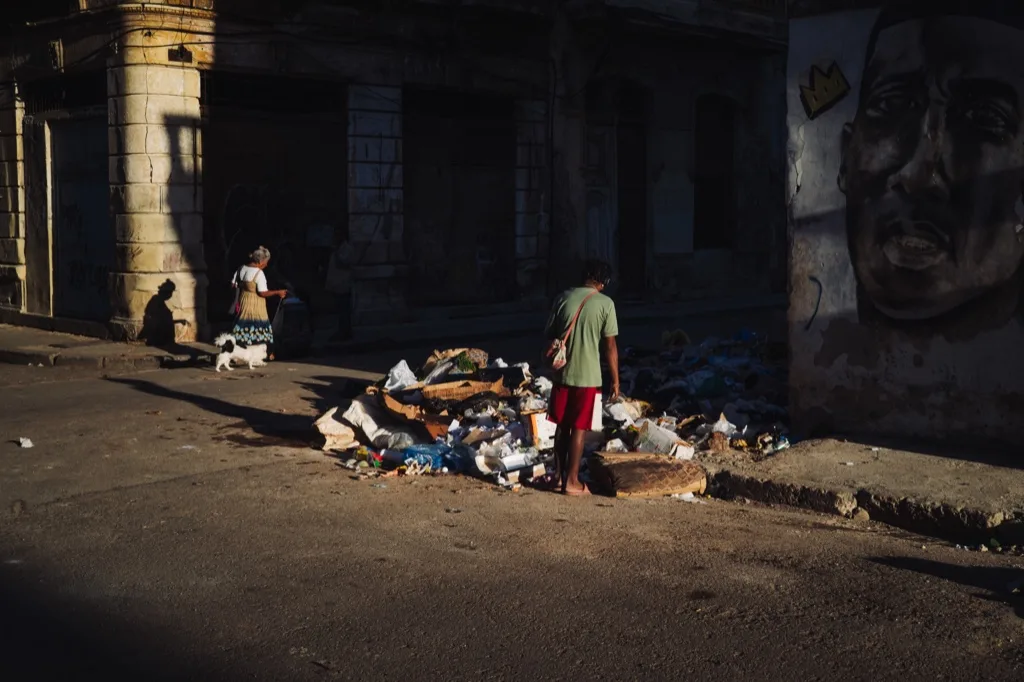
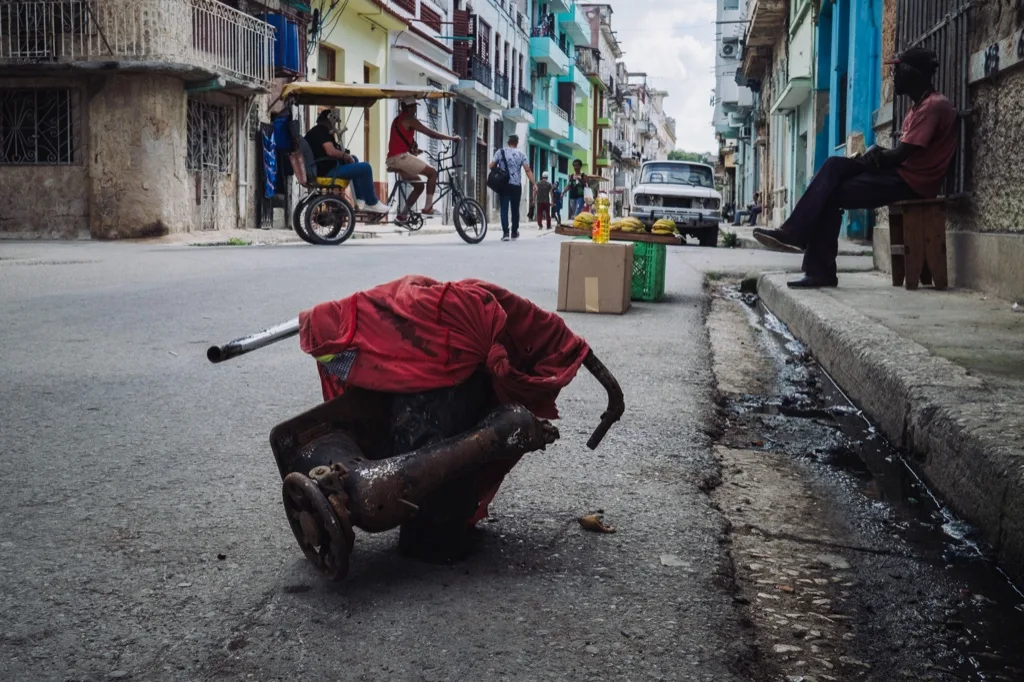
The piles of rubbish in Centro Habana seemed smaller in March than those described in January press reports about the crisis in Cuba.
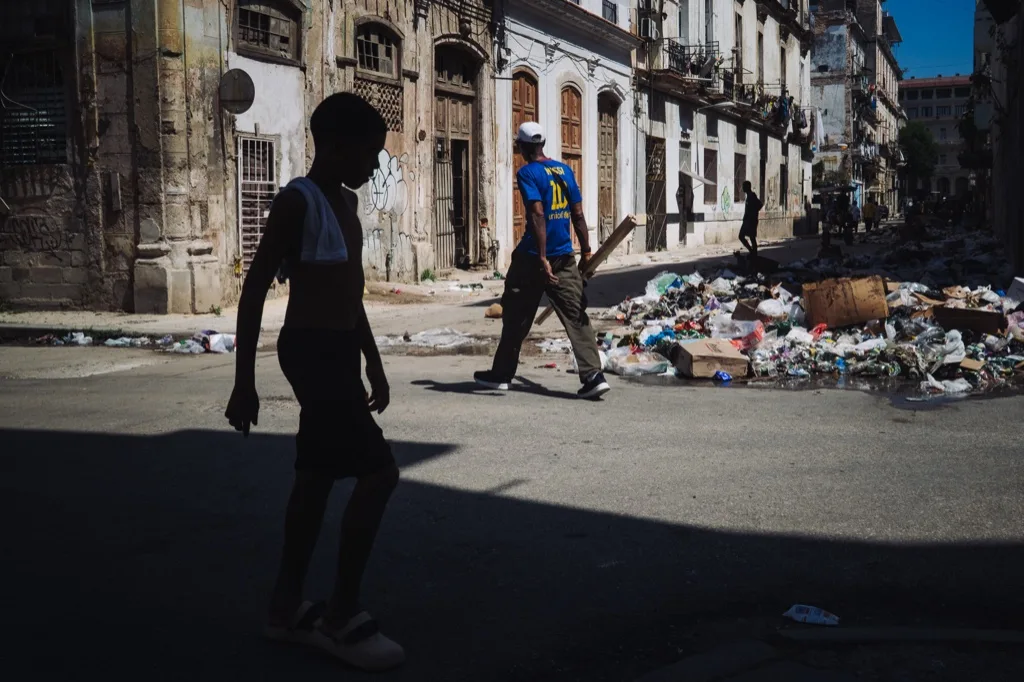
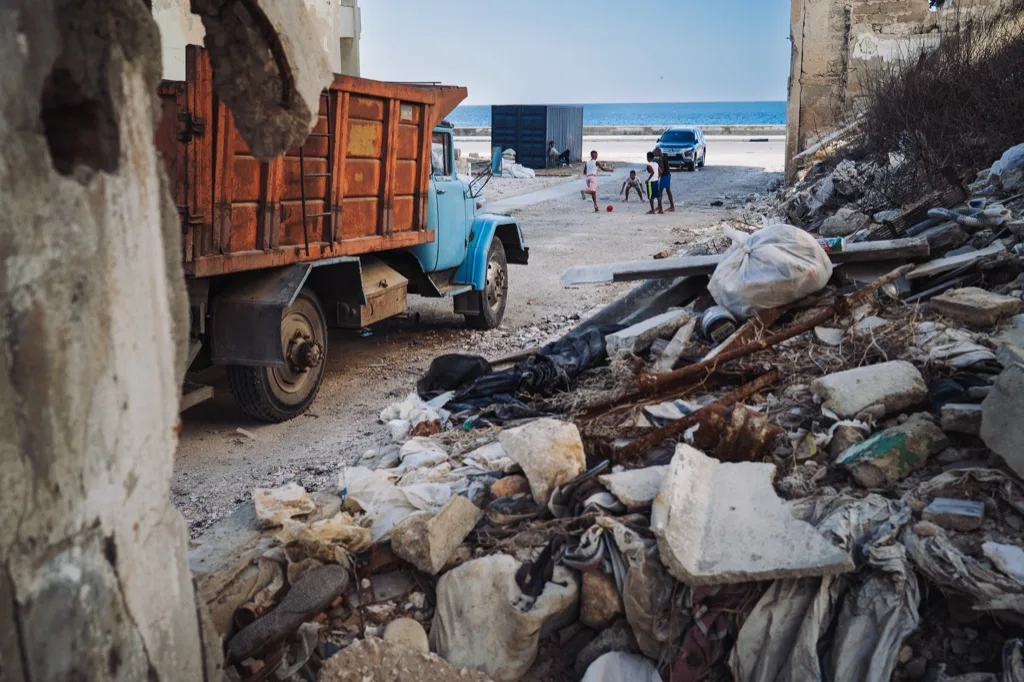
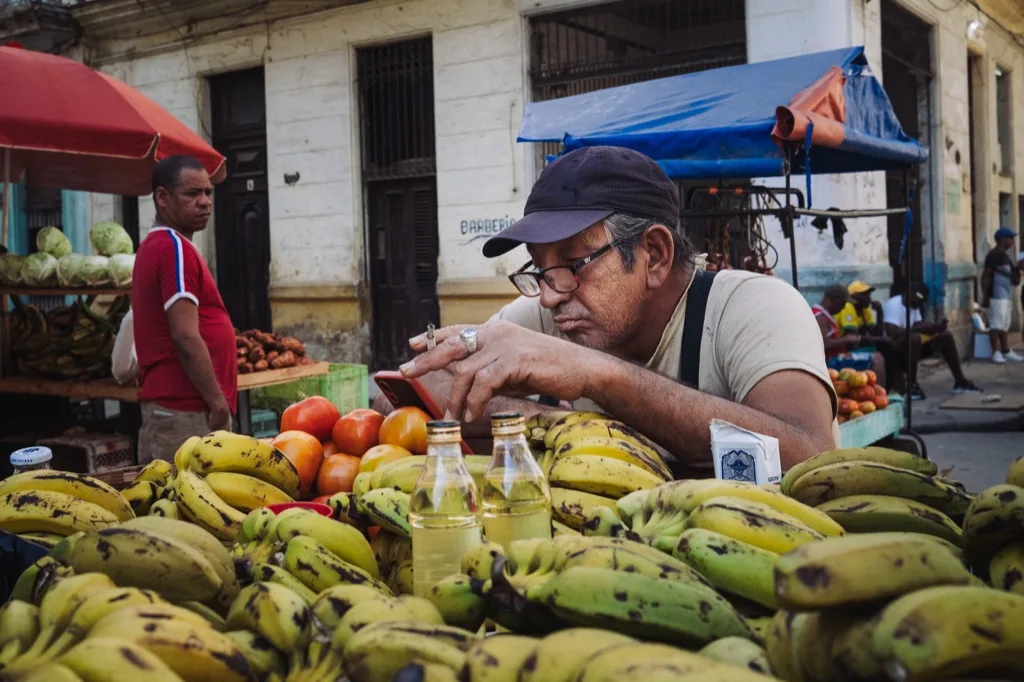
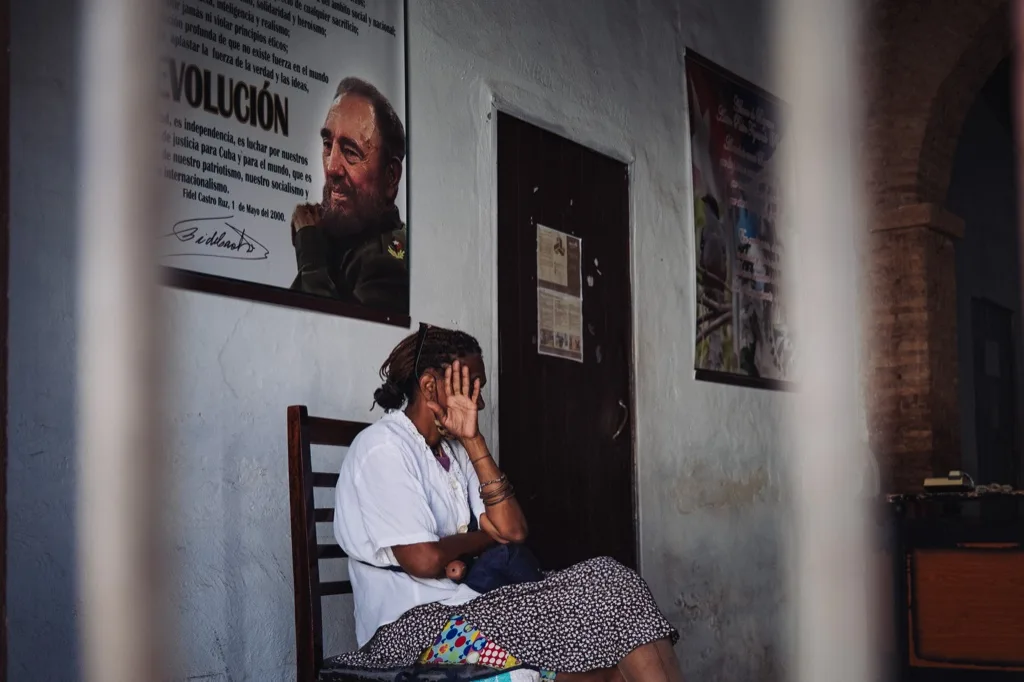
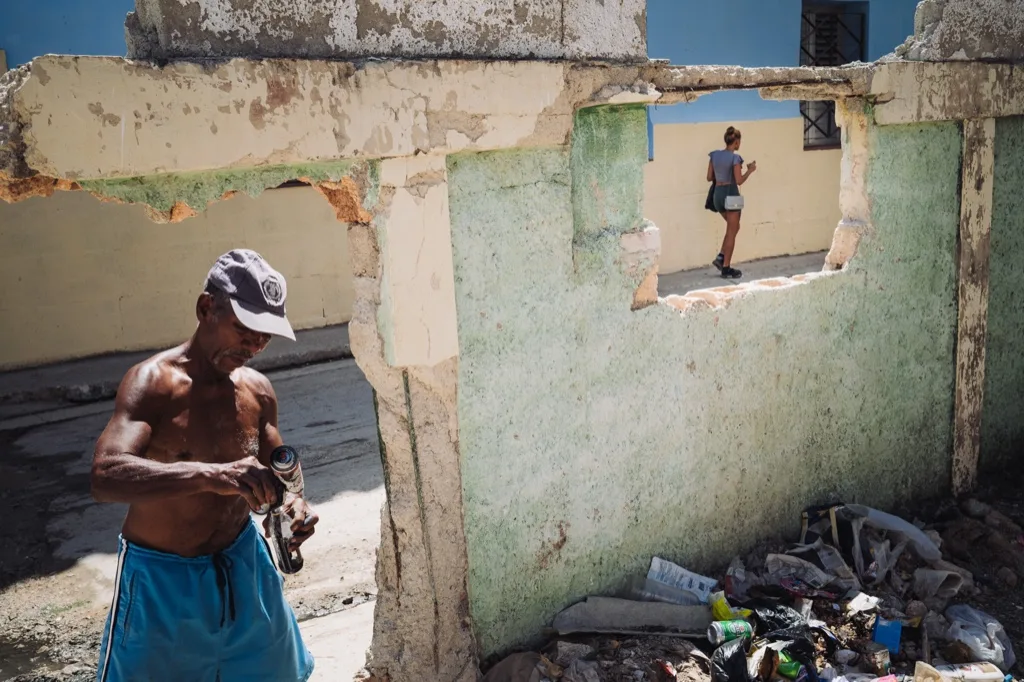
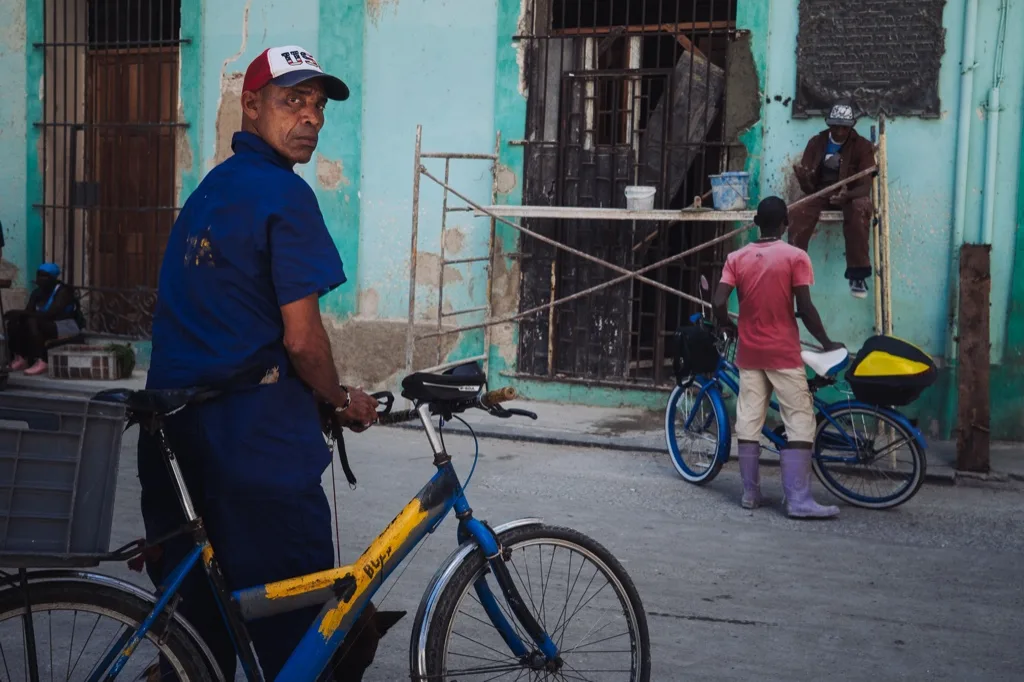
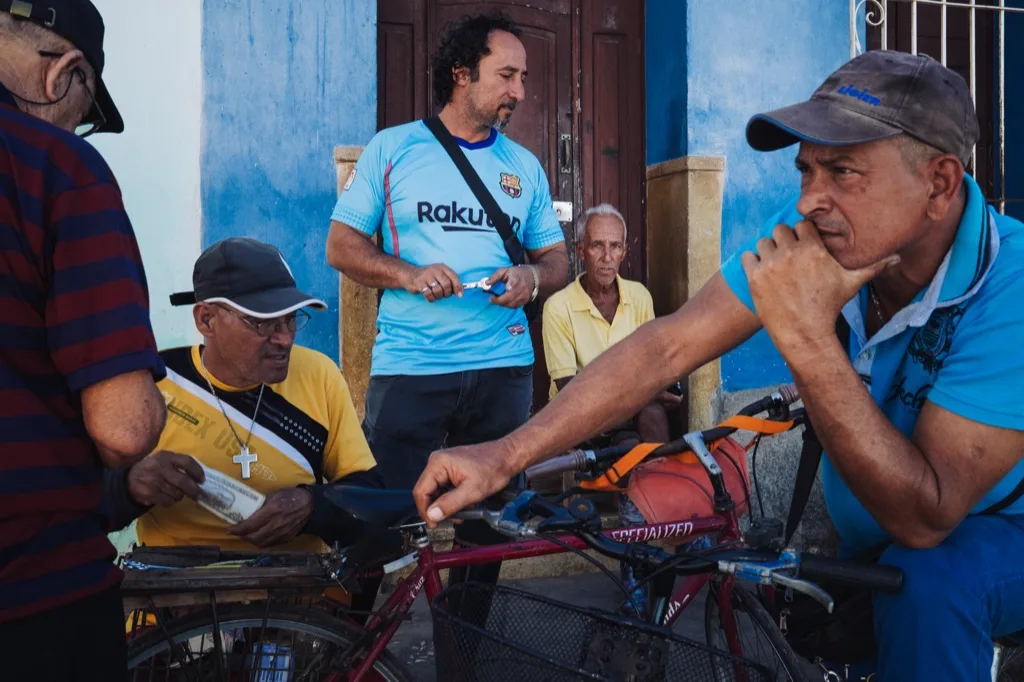
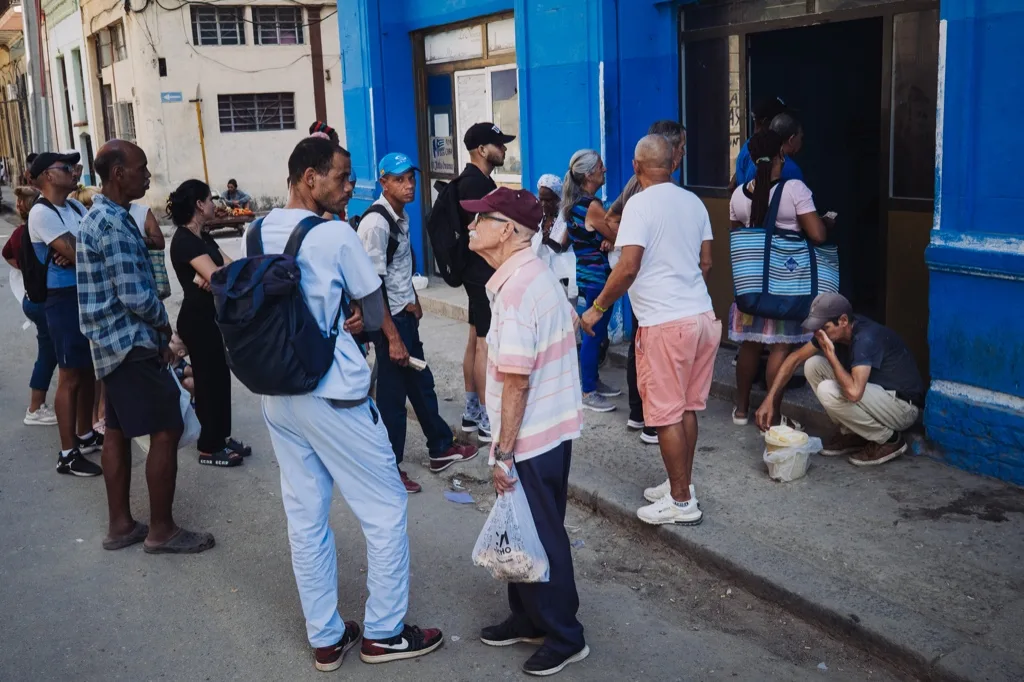
A queue for the “lighter refiller” on the main street looked more like a gathering of Stoic philosophers than people concerned about Trump’s embargo.
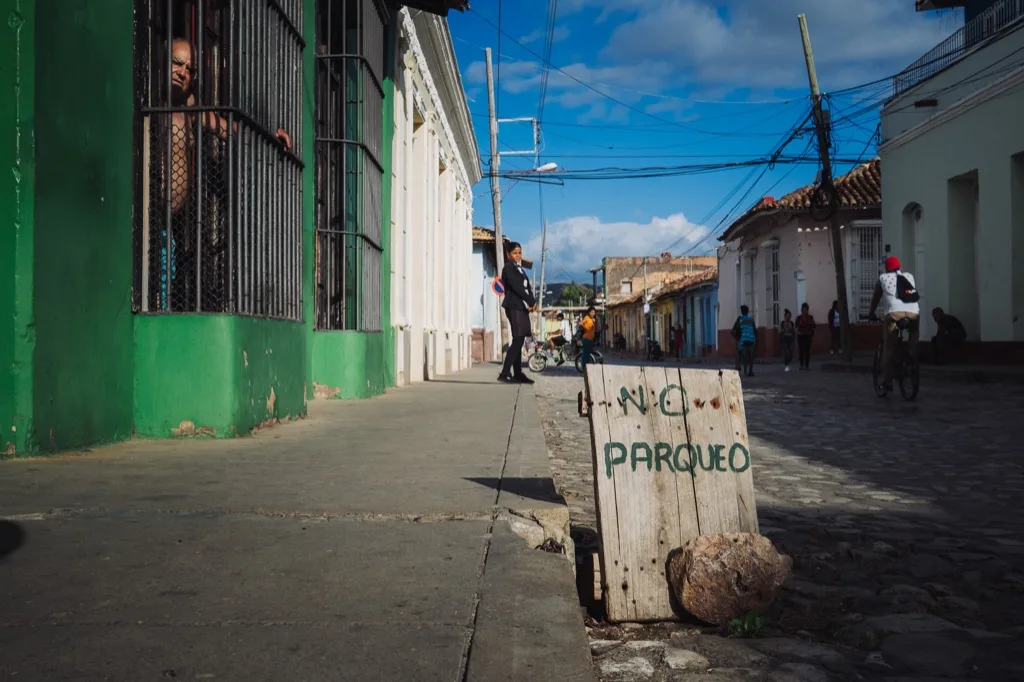
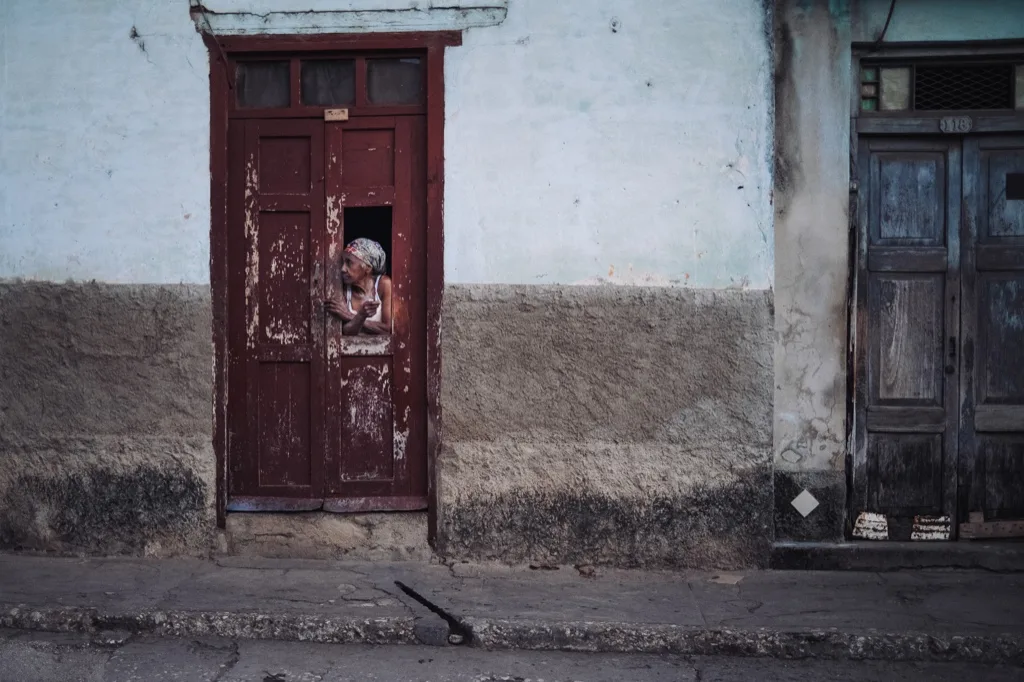
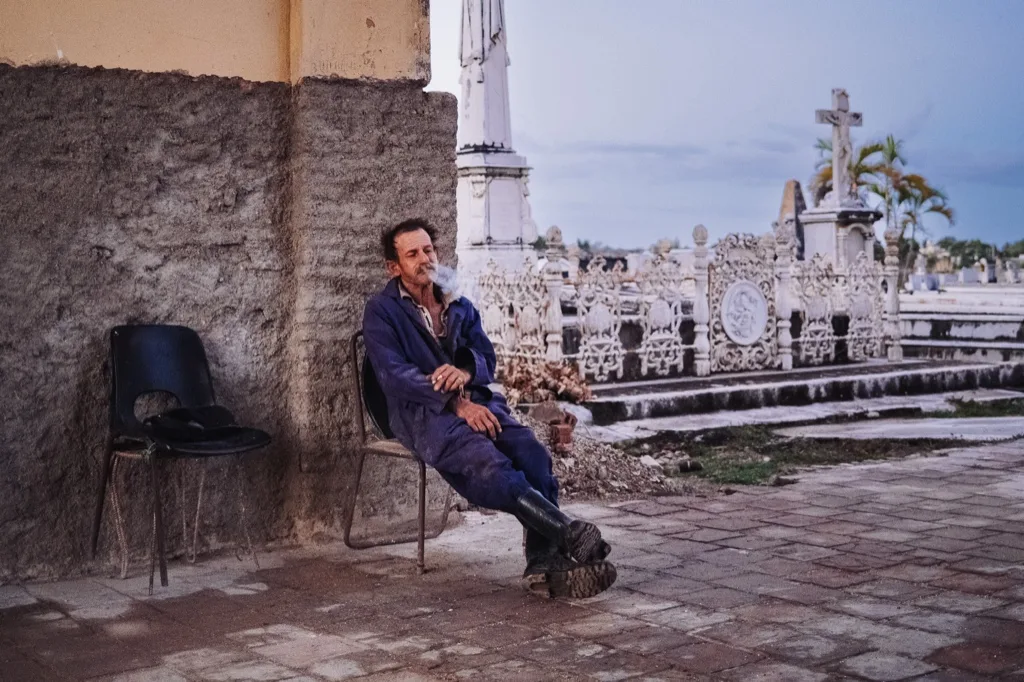
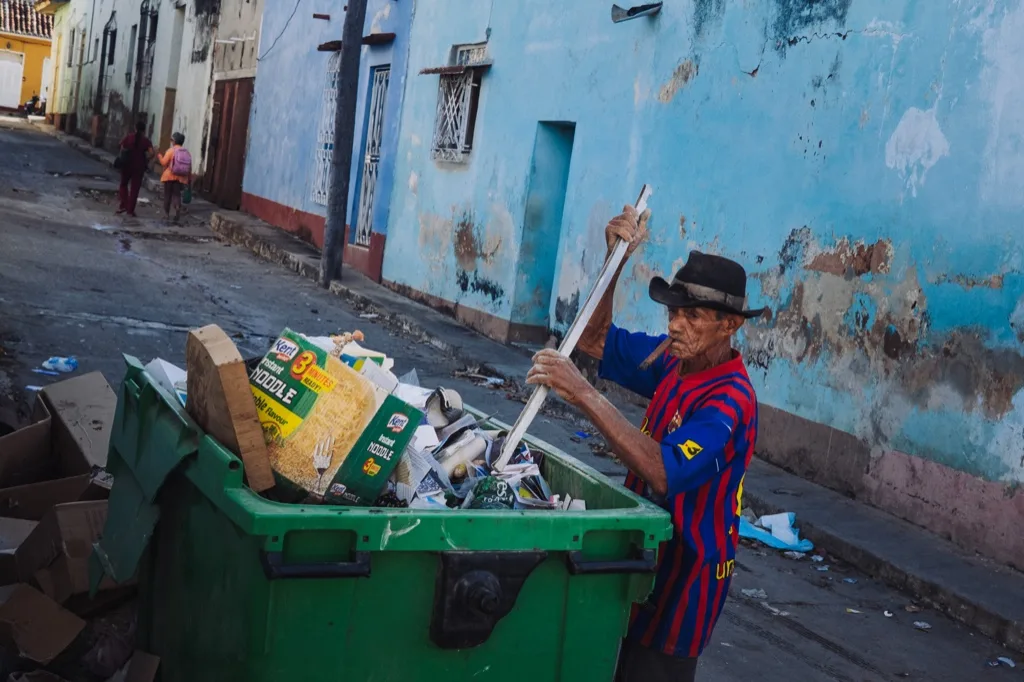
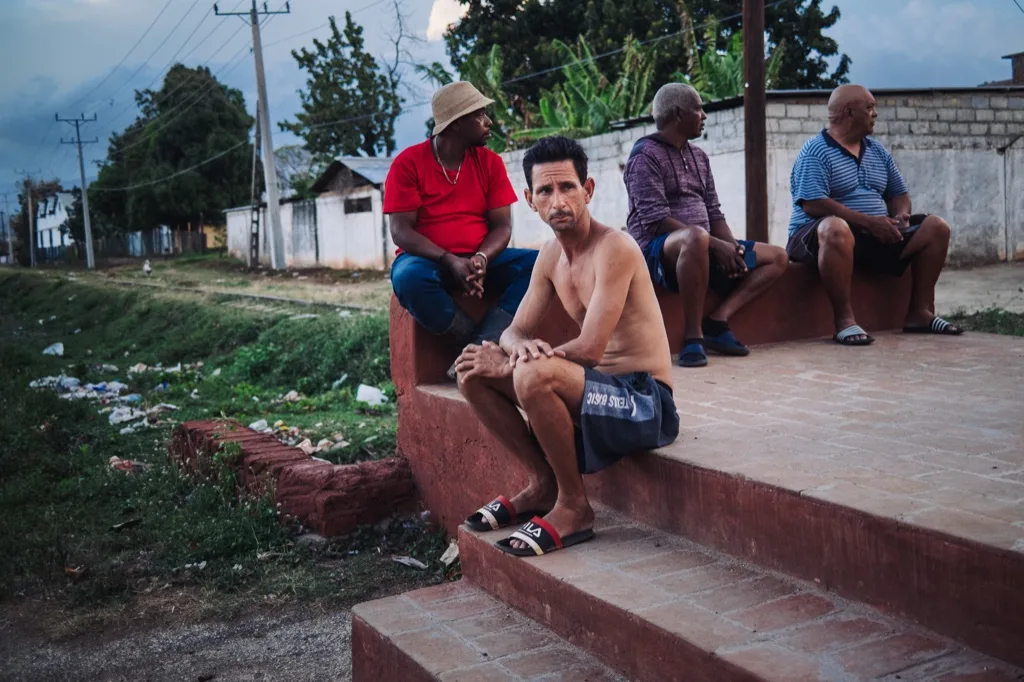
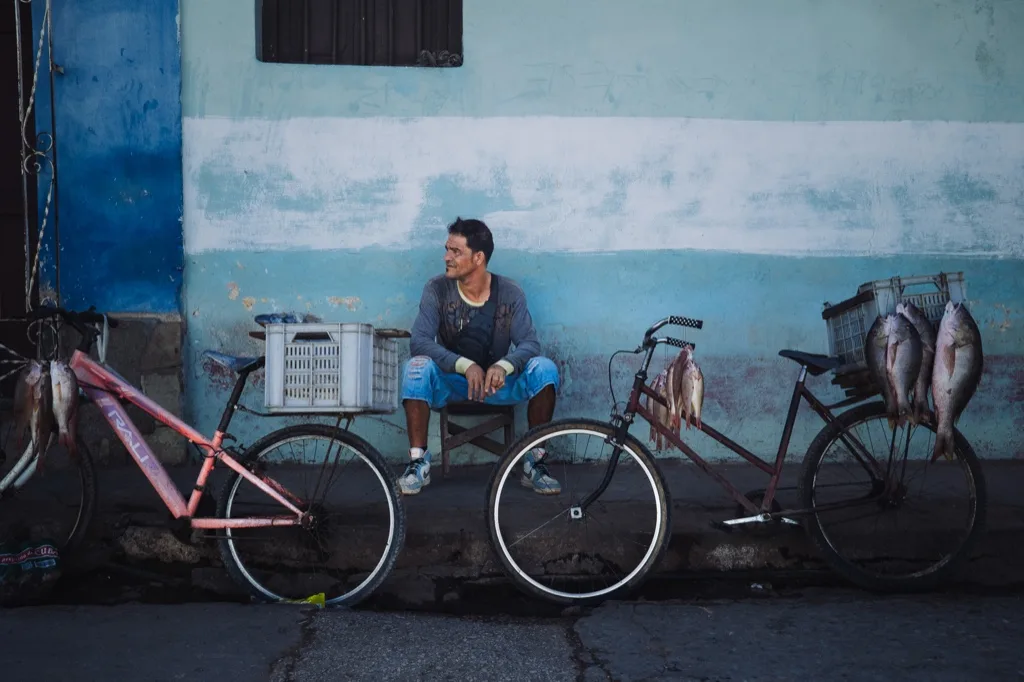
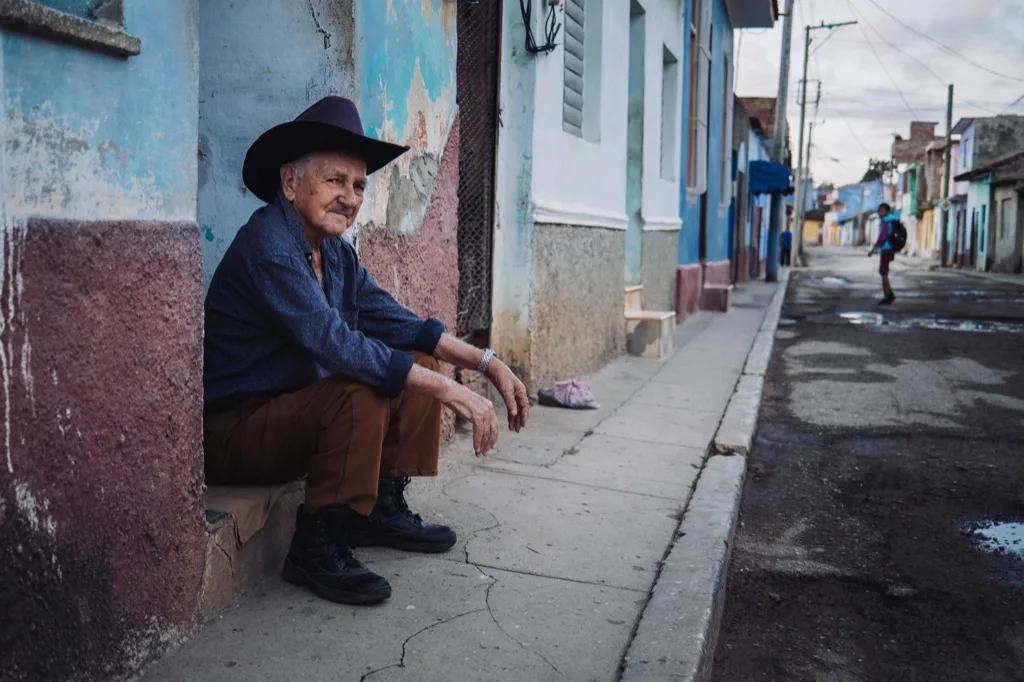
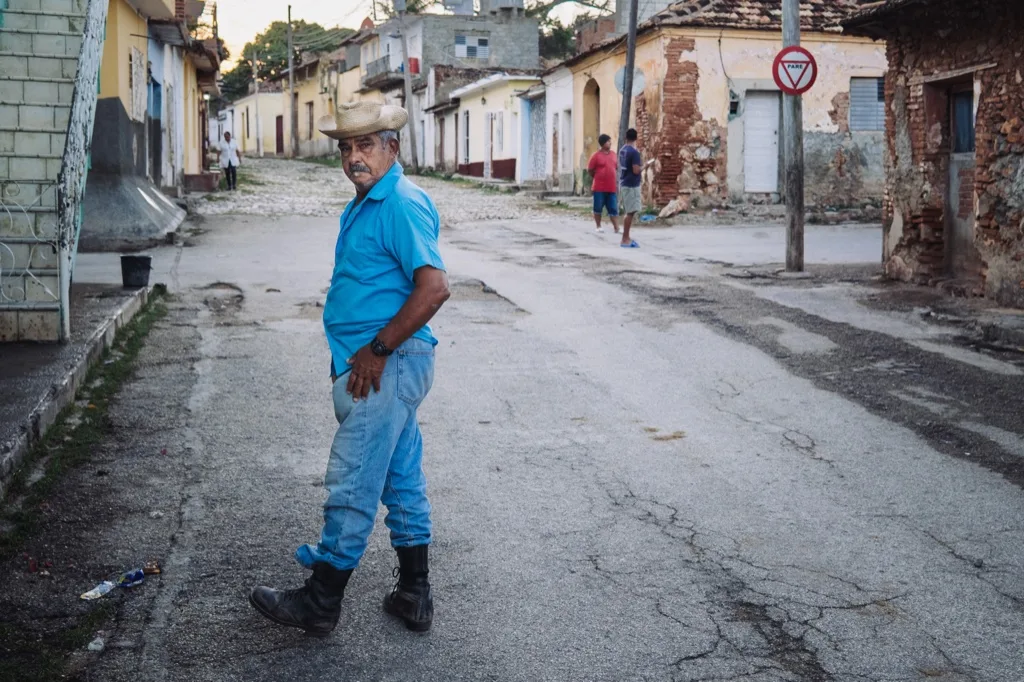
A man in a cowboy hat stood in surprise early in the morning at the sight of a tourist with a camera.
In March 2026, Trinidad was still full of men in hats, but there were already fewer tourists with cameras.
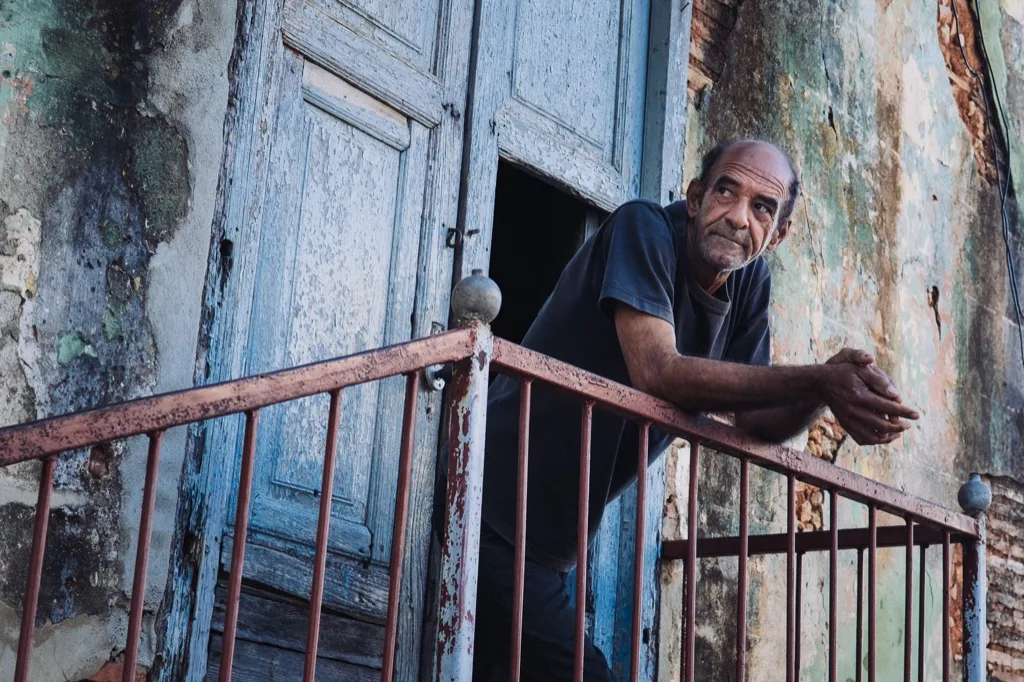
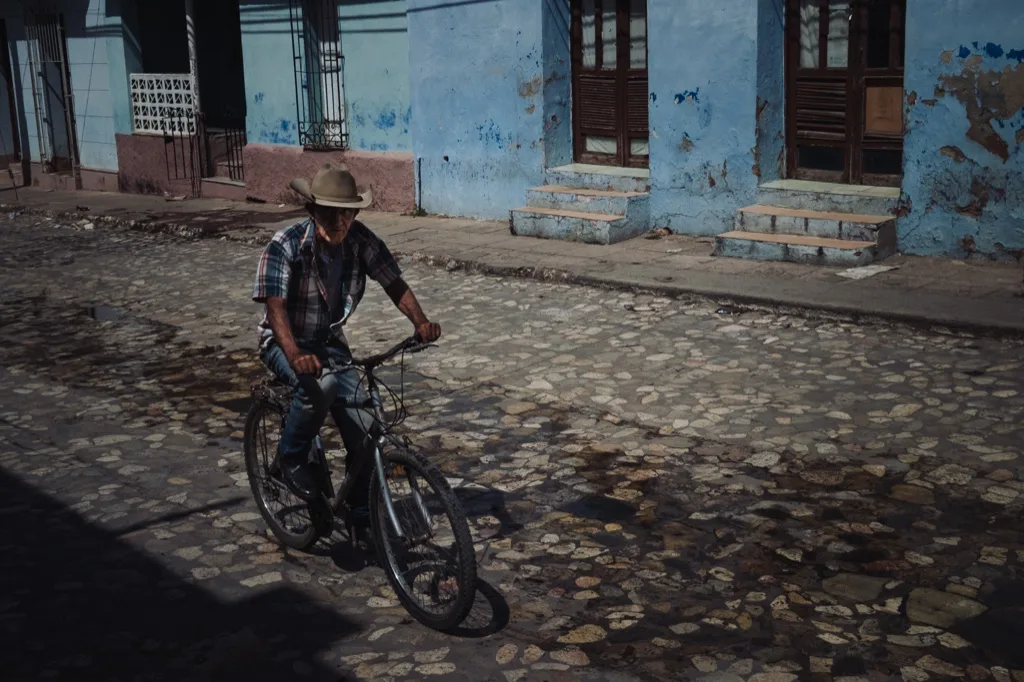
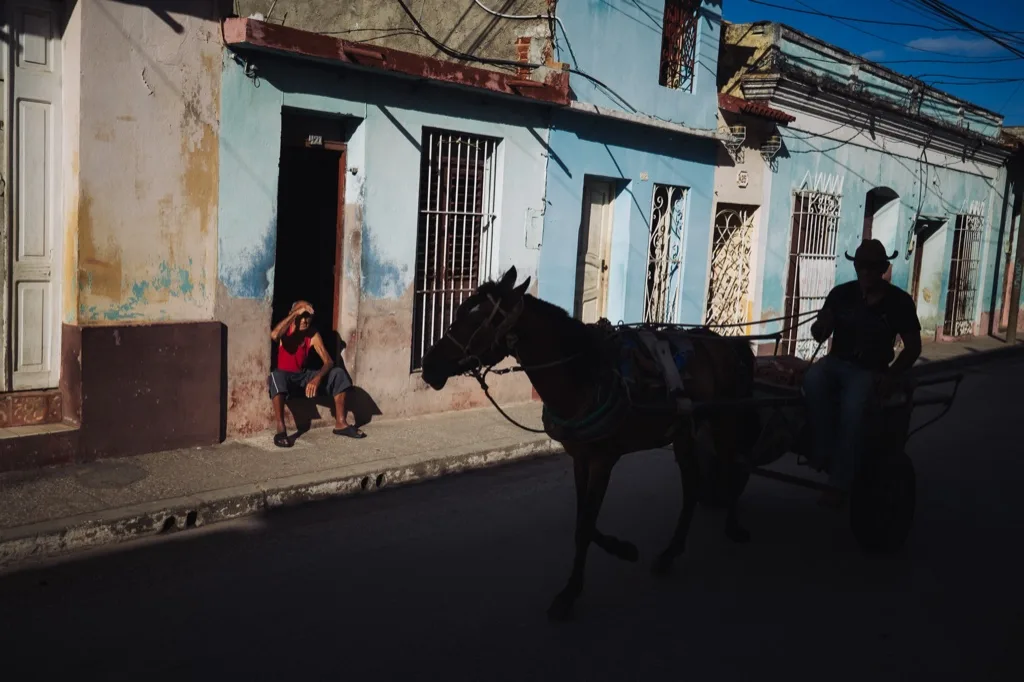
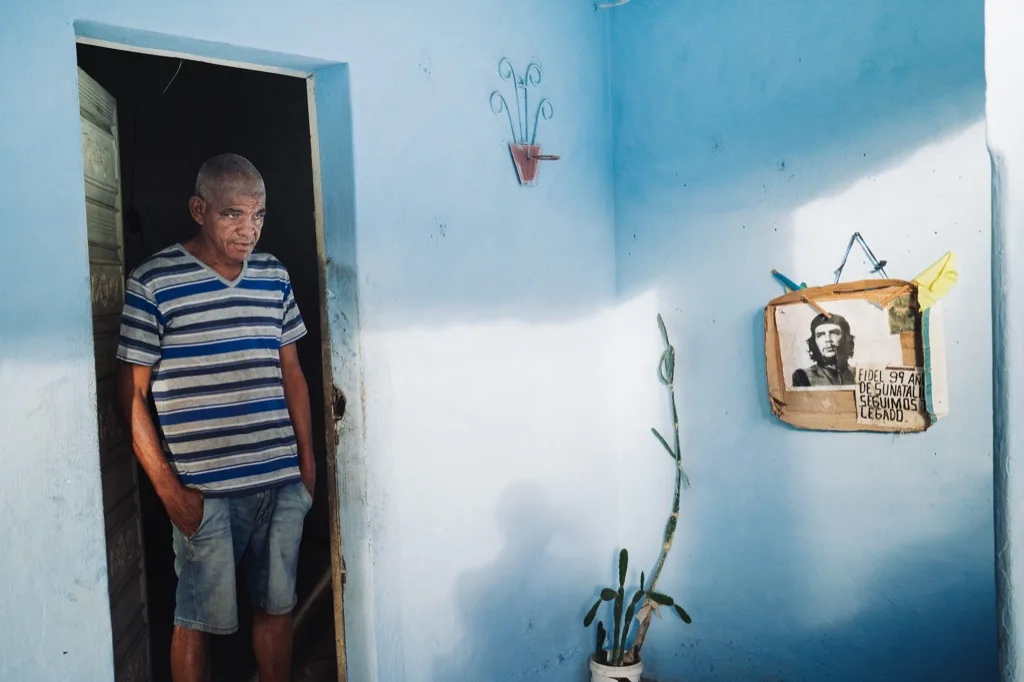
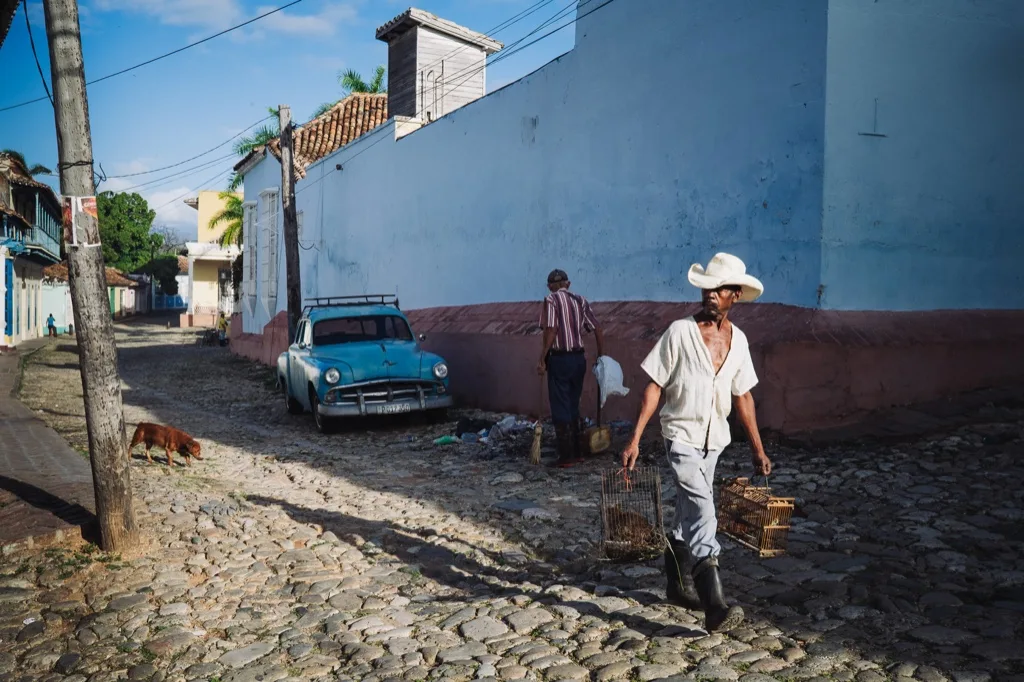
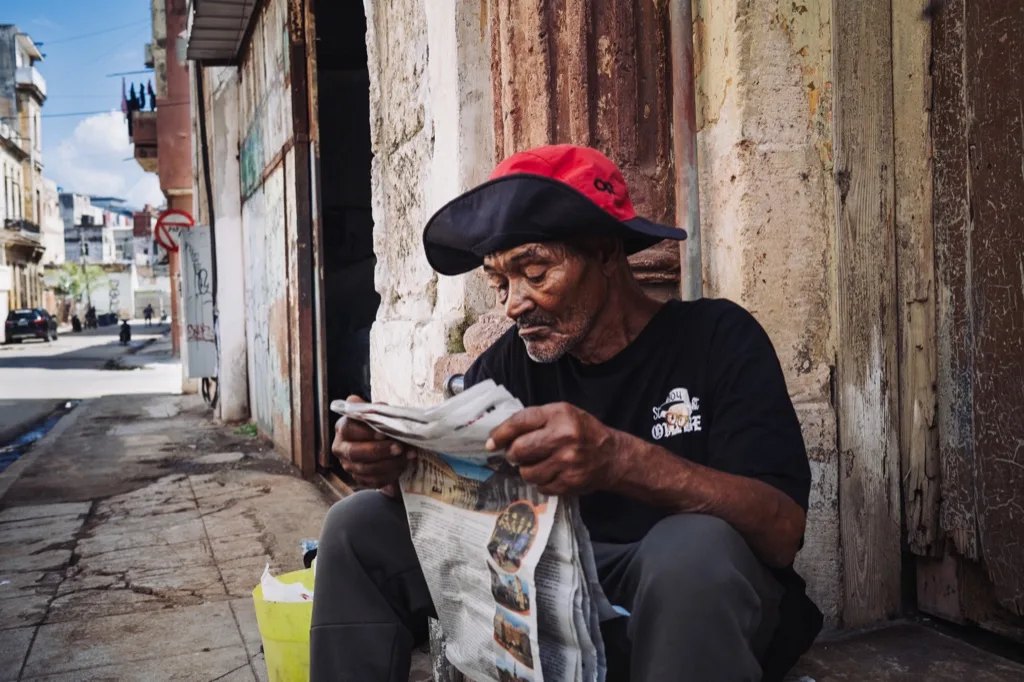
A Havana resident, accustomed to propaganda, was probably better informed about the situation than analysts at the White House.
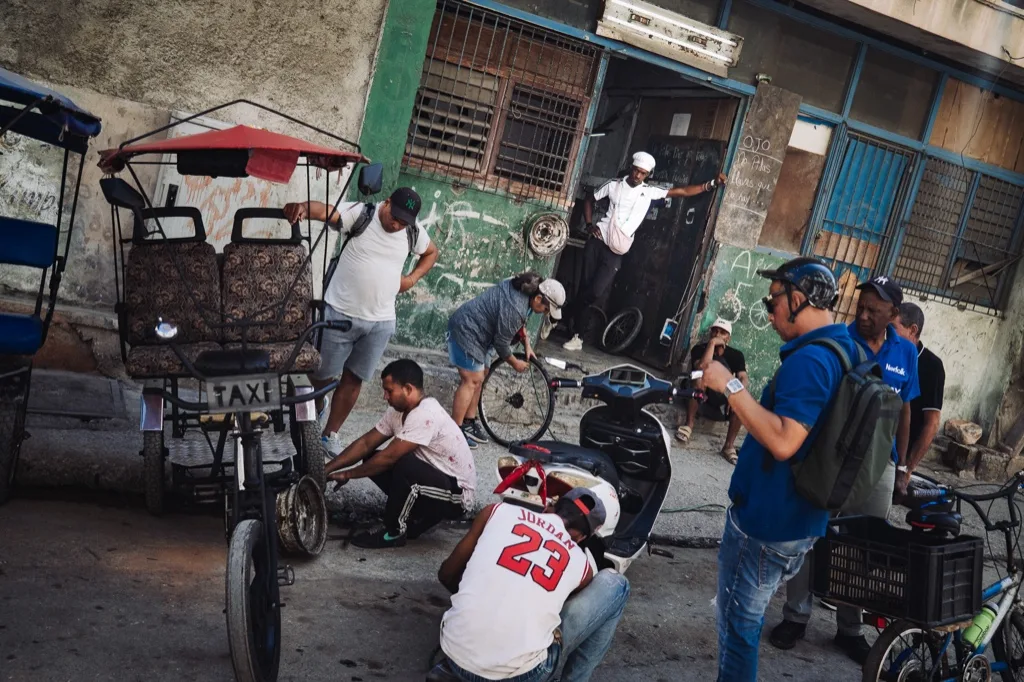
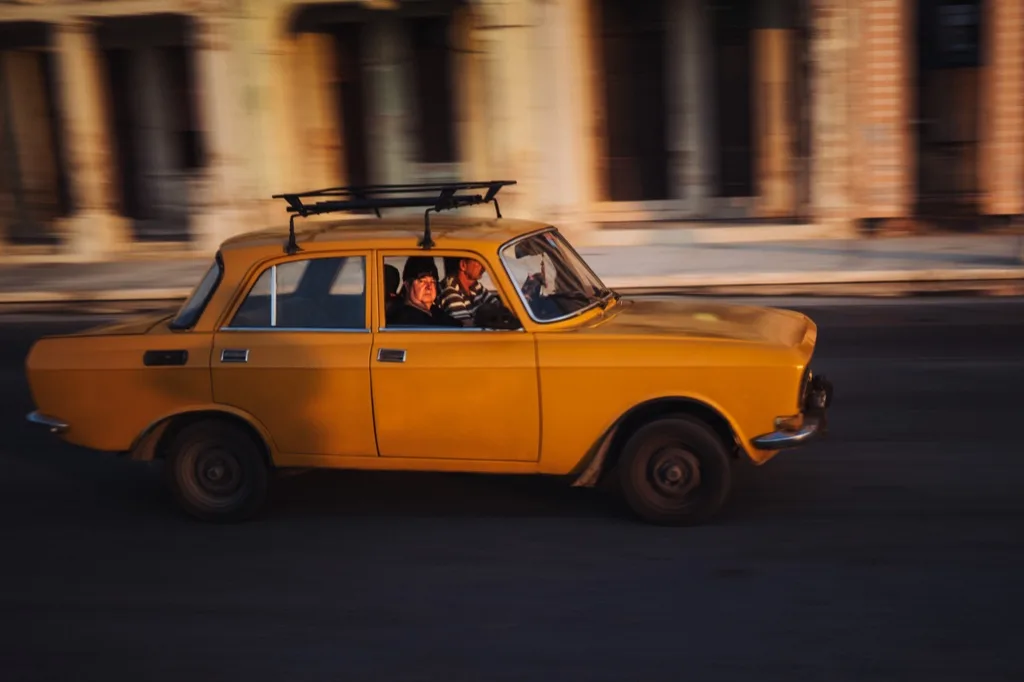
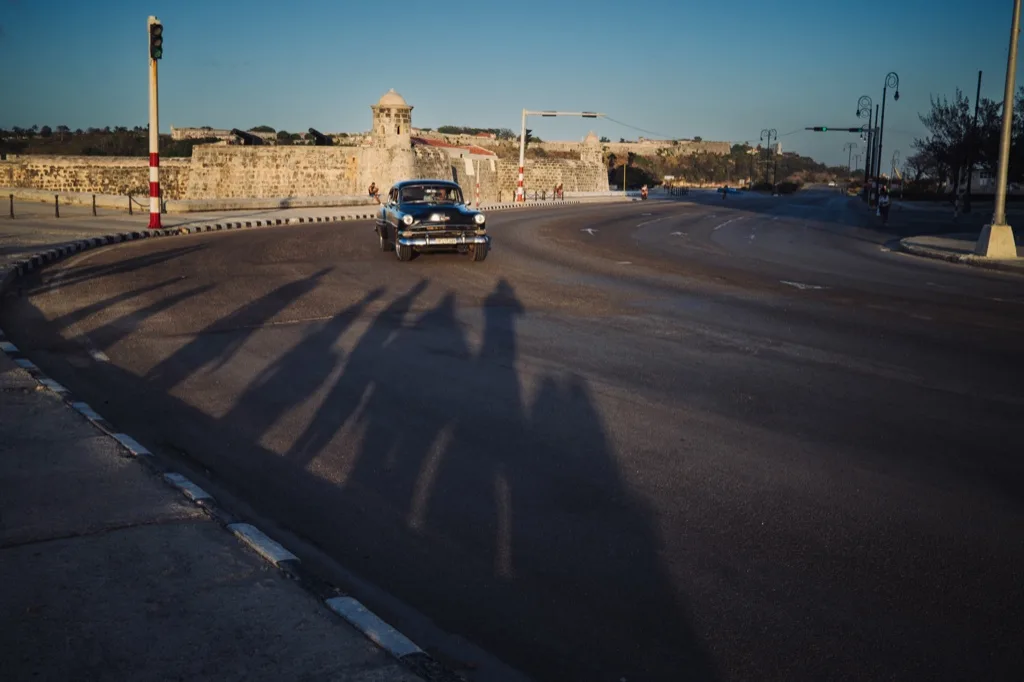
A forty-year-old Soviet Moskvich converted to diesel sped along the Malecón in the setting sun.
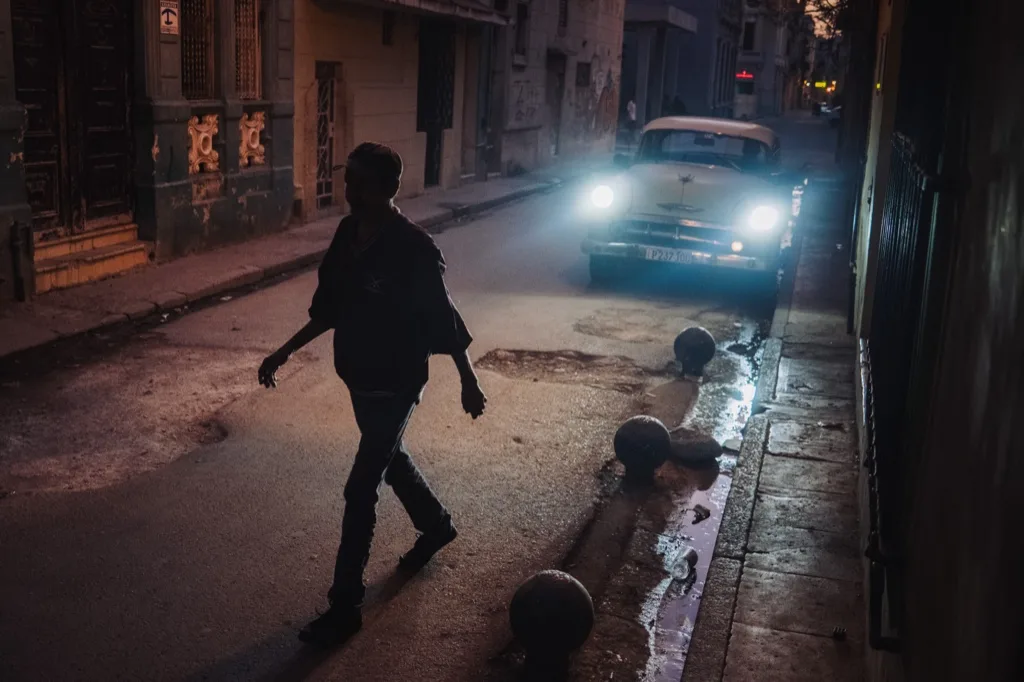
Almost everything that moved and wasn’t a Fiat 126p rattled with transplanted diesel engines.
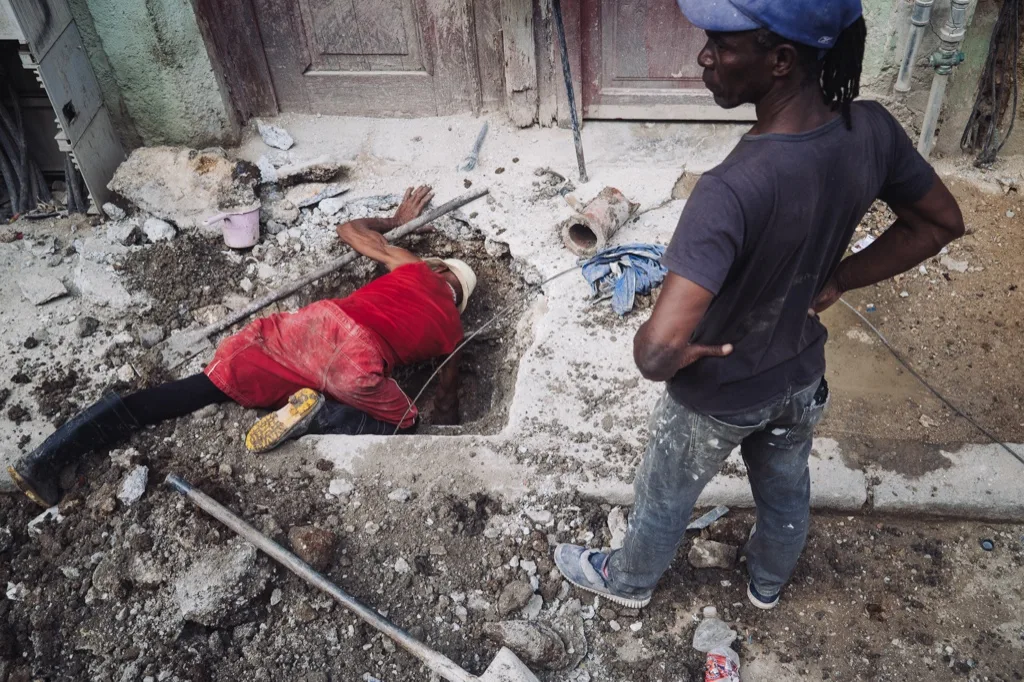
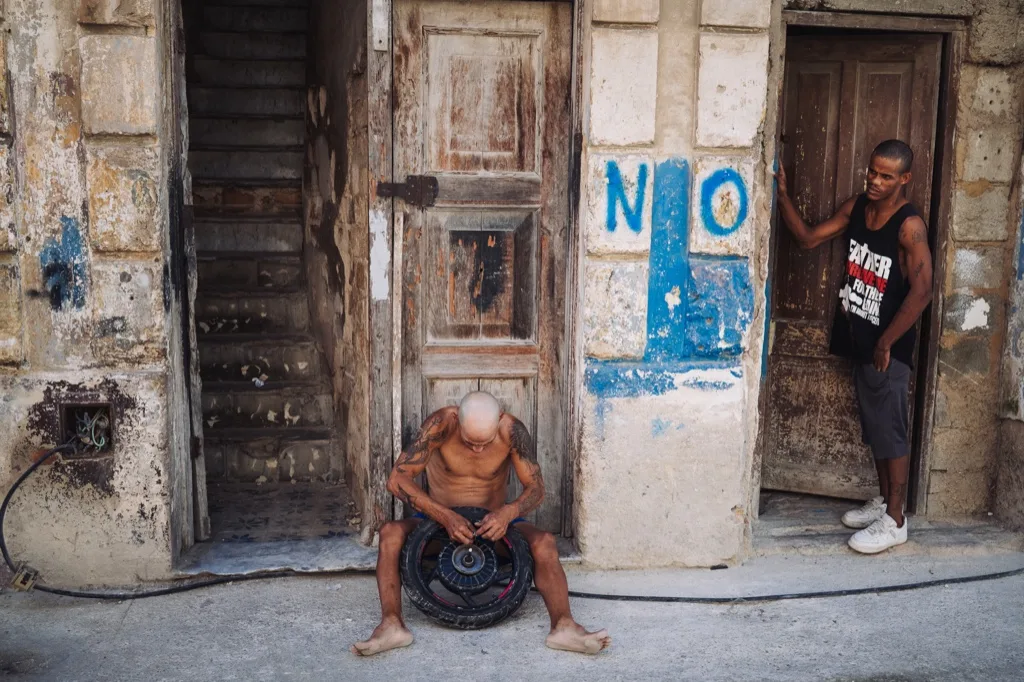
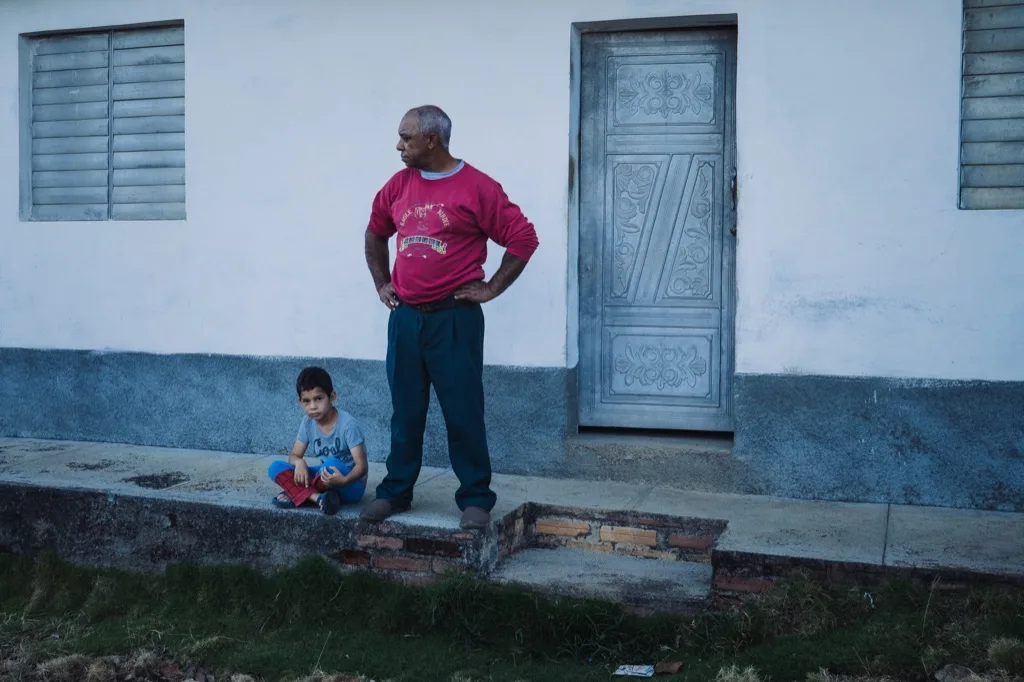
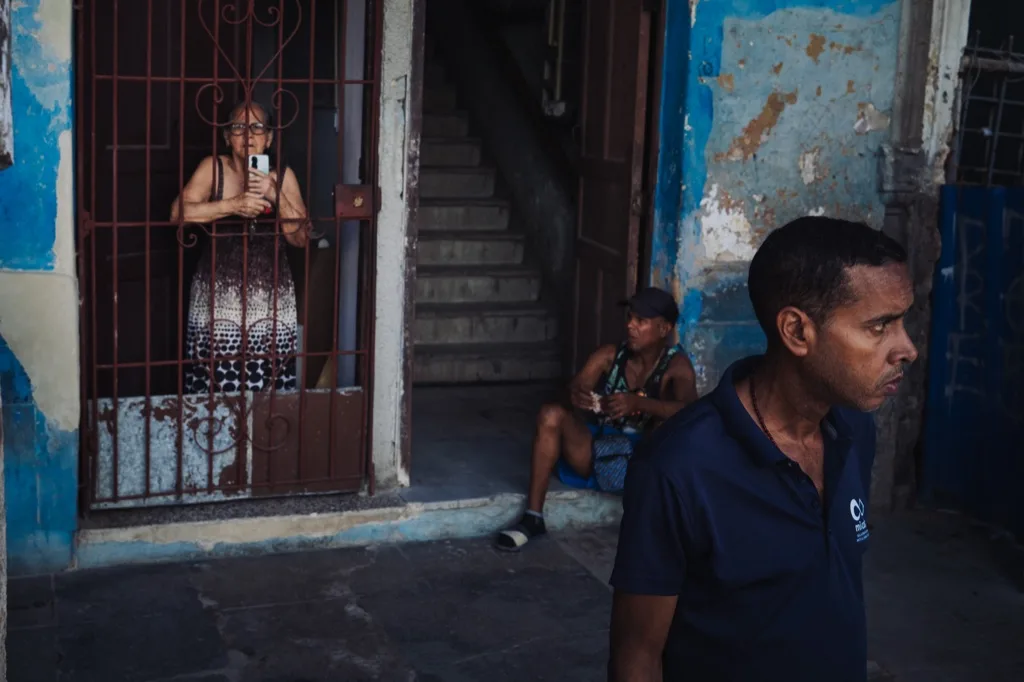
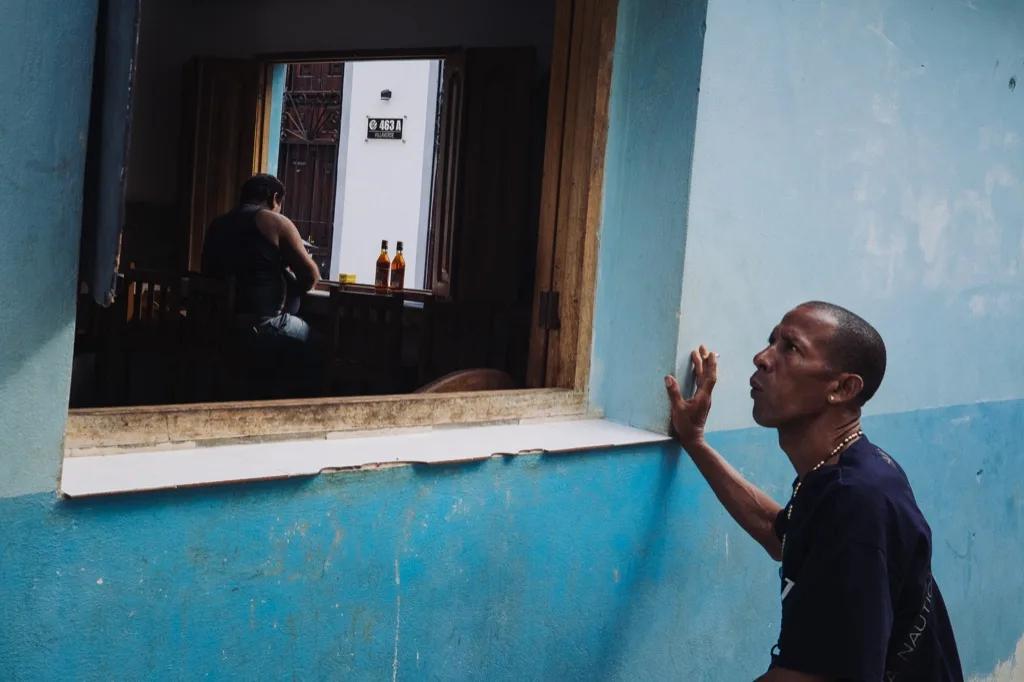
In March 2026, I photographed everyday street life in Cuba, without exceptional events or curated locations. I collected subjective images without a guiding theme.
I saw piles of rubbish and empty shelves, only to be told that “it’s just shortages and power outages, as usual.”
In the midst of a fuel crisis, I drove along the Malecón in a fuel-hungry American convertible as large as an aircraft carrier.
I visited Fidel’s flagship ice cream parlour, where there is ice cream but no spoons.
I listened to a Polish journalist insisting that nothing in Cuba would ever change, only to immediately see no protests mentioned in his own newspaper.
I paid a café bill equal to one-tenth of a Cuban doctor’s salary, while at the same time seeing new cars on the streets.
“…who could possibly know, sir…”
And in the end, seeing all of this through my own eyes, I understood that the only answer to the question of what it is really like there is the one given in a classic Polish comedy from the 1970s
“…who could possibly know, sir…”
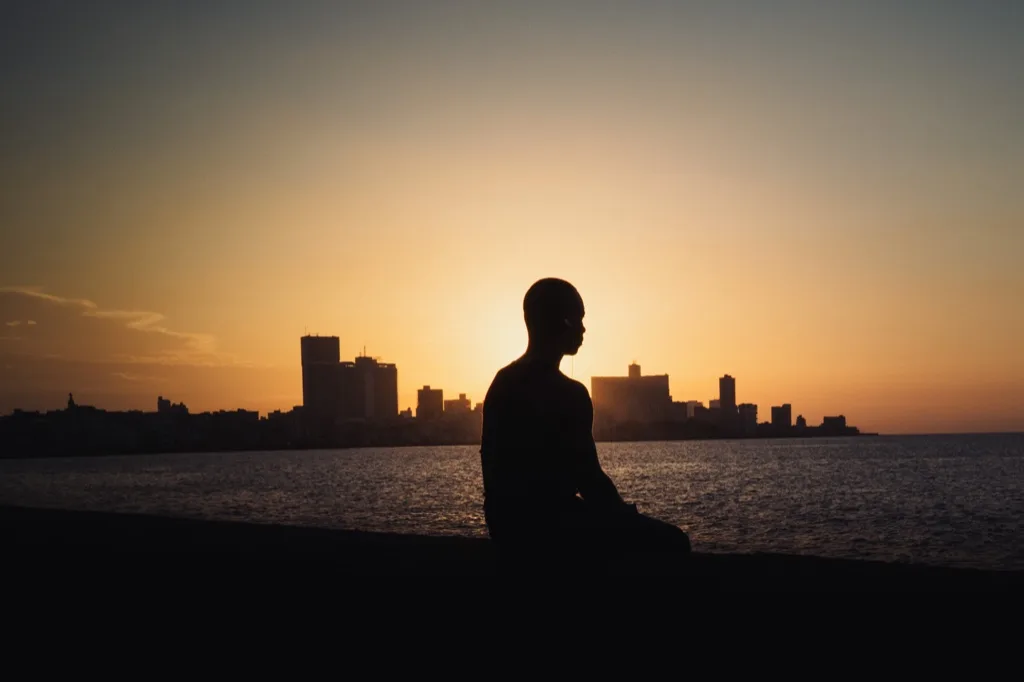
Cuba 2026. Through My Own Eyes
by Michał Świtała